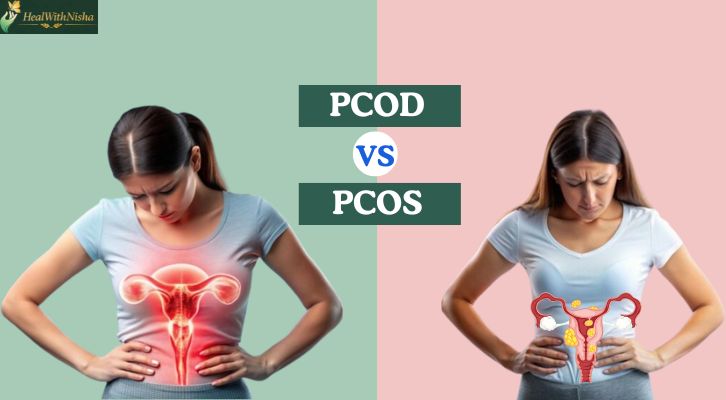
Hormones are a major factor in women’s health and even small imbalances disturb the menstrual cycle, mood, skin, weight and fertility. You must have heard two terms quite frequently in women’s health i.e PCOD and PCOS. They sound alike, but they are not. When women and girls understand the difference between PCOD and PCOS, it becomes easier for them to take timely and necessary steps for better health.
👉 Watch quick PCOD explanation here: https://youtube.com/shorts/https://youtube.com/shorts/
What is PCOD?
PCOD (Polycystic Ovarian Disease) It is a condition in which multiple cysts form on the ovaries. PCOD is extremely common with women and younger girls as well, due to contemporary lifestyle practice.
PCOS is associated with bad eating habits, high level of stress, sedentary life and slow or unexpected weight gain. These disturbances alter the hormonal milieu and interfere with normal ovulation.
What is PCOS?
(PCOS) Polycystic Ovary Syndrome is a hormonal and metabolic condition that’s more complicated, it have been linked (but not limited to) to insulin resistance. PCOS causes insulin levels, metabolism and long-term health to disturb, together with ovarian cysts. Women who have PCOS struggle with ovulation, weight management, and fertility.
PCOS as compared to PCOD requires more vigilant medical supervision and constant lifestyle modifications.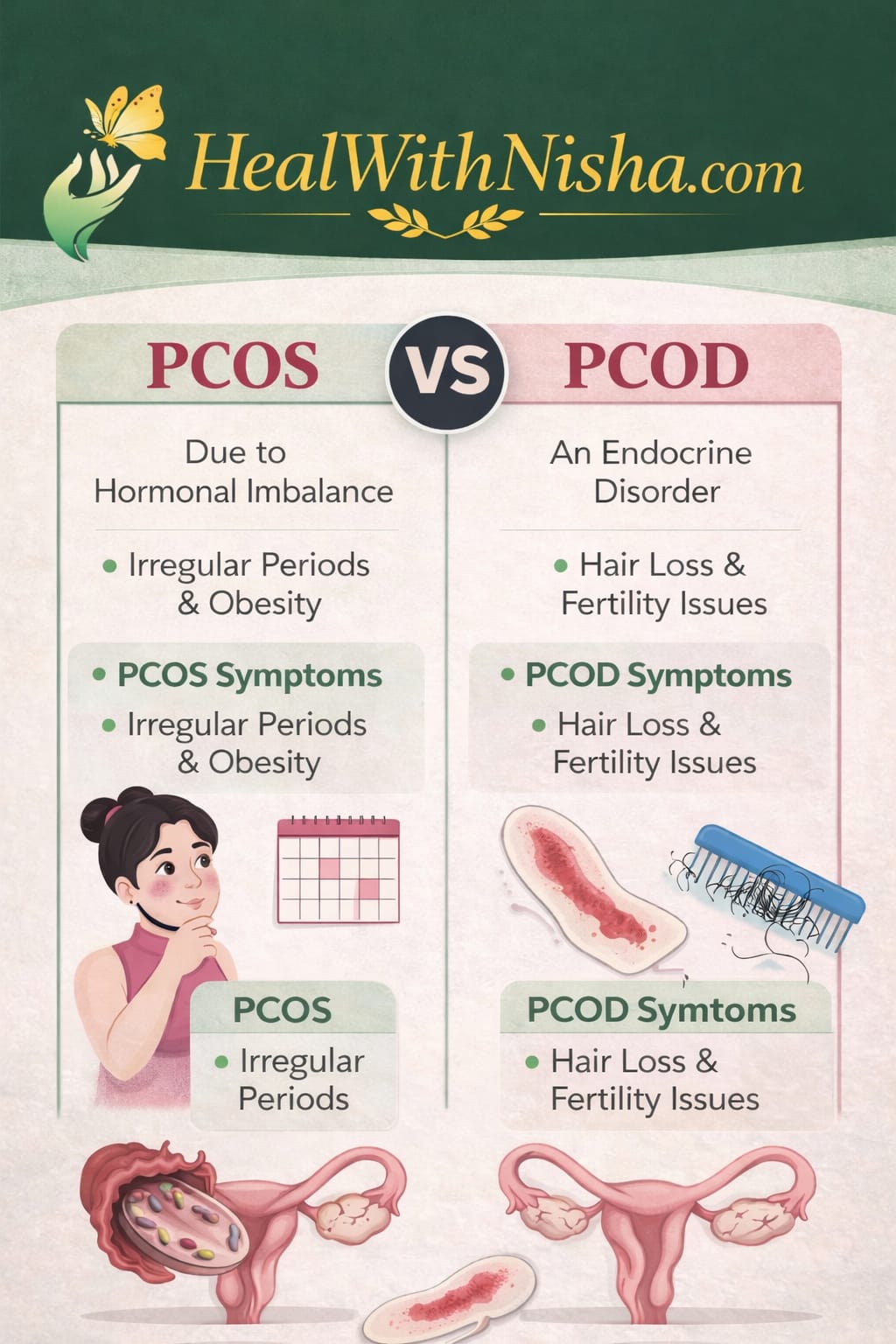
Key Difference Between PCOD and PCOS
Understanding PCOD vs PCOS is important for choosing the right treatment.
|
Aspect |
PCOD |
PCOS |
|
Nature |
Ovarian disorder |
Hormonal & metabolic syndrome |
|
Severity |
Mild to moderate |
More serious |
|
Frequency |
Very common |
Less common |
|
Fertility |
Mostly manageable |
Often challenging |
|
Long- term risks |
Low |
Higher risk of diabetes & heart disease |
So yes, many women ask, “Is PCOS more serious than PCOD?”
PCOD vs PCOS Symptoms
Many symptoms overlap, which causes confusion. Common PCOD vs PCOS symptoms include:
- Irregular or missed periods
- Weight gain or difficulty with weight loss
- Acne and oily skin
- Excess facial or body hair
- Hair thinning on the scalp
- Fatigue and mood swings
- Trouble conceiving
In PCOS, these symptoms are usually stronger and more persistent.
PCOD and PCOS Causes
There is no single cause, but several factors contribute to PCOD and PCOS causes, such as:
- Hormonal imbalance in women
- Insulin resistance (especially in PCOS)
- Genetics and family history
- Stress and poor lifestyle habits
- Obesity or sudden weight changes
Unhealthy routines can worsen both PCOD and PCOS, making lifestyle correction essential.
PCOD and PCOS Diagnosis
Early PCOD and PCOS diagnosis helps prevent complications. Doctors usually diagnose through:
- Medical history and symptom discussion
- Blood tests for hormones and insulin
- Ultrasound to detect ovarian cysts
- Ruling out thyroid or other hormonal issues
Early diagnosis supports better PCOD vs PCOS treatment outcomes.
PCOD vs PCOS Treatment Options
Treatment depends on symptoms, age, and whether pregnancy is planned.
1. Lifestyle-Based Treatment
Lifestyle correction is the foundation of both PCOD and PCOS care. Regular physical activity, effective stress management, a balanced sleep routine, and healthy eating habits together help regulate hormones and improve overall well-being.
2. Medical Treatment
Doctors may suggest:
- Hormonal pills to regulate periods
- Medicines for insulin resistance
- Fertility support when needed
3. PCOD Natural Treatment
Many women benefit from natural approaches like:
- Herbal support
- Yoga and meditation
- Mindful eating
PCOD vs PCOS Fertility
One major concern is PCOD vs PCOS fertility.
- Women with PCOD usually conceive naturally with lifestyle improvement
- PCOS may require medical help due to irregular ovulation
PCOD Diet for Women
Diet plays a huge role in recovery from PCOD. A good PCOD diet for women includes:
- Whole grains
- Fresh fruits and vegetables
- Healthy fats (nuts, seeds)
- Adequate protein
Avoid refined sugar, junk food, and processed snacks to maintain hormonal balance.
PCOS Diet Plan
A balanced PCOS diet plan focuses on:
- Low glycemic index foods
- Fiber-rich meals
- Anti-inflammatory foods
- Controlled portion sizes
This supports insulin control and helps with weight loss.
Best Food for PCOD and PCOS
Some of the best food for PCOD and PCOS include:
- Leafy greens
- Berries
- Lentils and beans
- Seeds like flax and chia
- Healthy oils
These foods support hormonal balance and energy levels.
Lifestyle Tips for PCOD and PCOS
Simple lifestyle tips for PCOD and PCOS can make a big difference when followed consistently. Maintaining a daily routine, exercising for at least 30 minutes, reducing stress through meditation, staying well-hydrated, and prioritising mental health all support hormonal balance and long-term healing.
Yoga for PCOD and PCOS
Yoga for PCOD and PCOS helps regulate hormones naturally. Helpful poses include:
- Butterfly pose
- Cobra pose
- Child’s pose
- Pranayama breathing
Yoga supports both physical and emotional well-being.
PCOS Lifestyle Changes
Consistent PCOS lifestyle changes are essential:
- Long-term commitment to healthy habits
- Regular medical follow-ups
- Sustainable weight management
Conclusion
Knowing PCOD vs PCOS arms women and girls to make their own health decisions. PCOD can be tackled with some lifestyle modifications, but PCOS demands a more thoughtful approach and regularity. Healthy life is possible with proper diet, exercise and mindset. HealWithNisha is all about consciousness, equilibrium and raw healing because every woman deserves to feel her best.
Frequently Asked Questions (FAQs)
1. Is PCOS more serious than PCOD?
Yes, PCOS is generally considered more complex because it involves hormonal imbalance along with metabolic issues such as insulin resistance. However, both conditions require proper management and medical guidance.
2. Can PCOD develop into PCOS?
PCOD does not directly turn into PCOS. However, unhealthy lifestyle habits may worsen hormonal imbalance and increase the risk of complications. Early management and lifestyle changes can help prevent further issues.
3. Is there a permanent cure for PCOS?
Currently, there is no permanent cure for PCOS. However, its symptoms can be effectively managed through lifestyle changes, a balanced diet, regular exercise, and medical treatment when necessary.
4. Can women with PCOS conceive?
Yes, many women with PCOS can conceive. However, due to irregular ovulation, some may experience difficulty getting pregnant. Consulting a healthcare professional can help improve fertility outcomes.
5. What is the best diet for women with PCOD and PCOS?
A balanced diet rich in whole grains, fiber, lean protein, and healthy fats is beneficial for managing PCOD and PCOS. Reducing processed foods and sugar intake may also help support hormonal balance and overall health.
Medical Disclaimer:
The information provided in this article is for educational and informational purposes only and is not intended to replace professional medical advice, diagnosis, or treatment. Always consult a qualified healthcare professional regarding any medical concerns.